
Neither Here Nor There
On liminality, old friends, and a body that’s sending new signals

I’m still involved in researching my second essay on emotions, which I hope to finish by next week. In the meanwhile, I opened an email the other day informing me of the death of an old friend. Unfortunately he and I had lost touch a few years ago. I had been meaning to get in touch again, but I never managed to write that email, nor did he. Not unusual for us. We could go for years without talking and then meet up or connect online and it would be like no time had passed. My friend’s death set off some thoughts/feelings that I have just come to terms with.
I first came across the term liminality as a young anthropology student studying Victor Turner and ritual. Not having my Turner around — the ex-husband of an ex-wife has it — I googled the term and found that liminality is “characterized by ambiguity, openness, and indeterminacy. One’s sense of identity dissolves to some extent, bringing about disorientation. Liminality is a period of transition where normal limits to thought, self-understanding, and behavior are relaxed — a situation which can lead to new perspectives.”
Liminality, in other words, is being between two states or cultural identities. A transitional state.
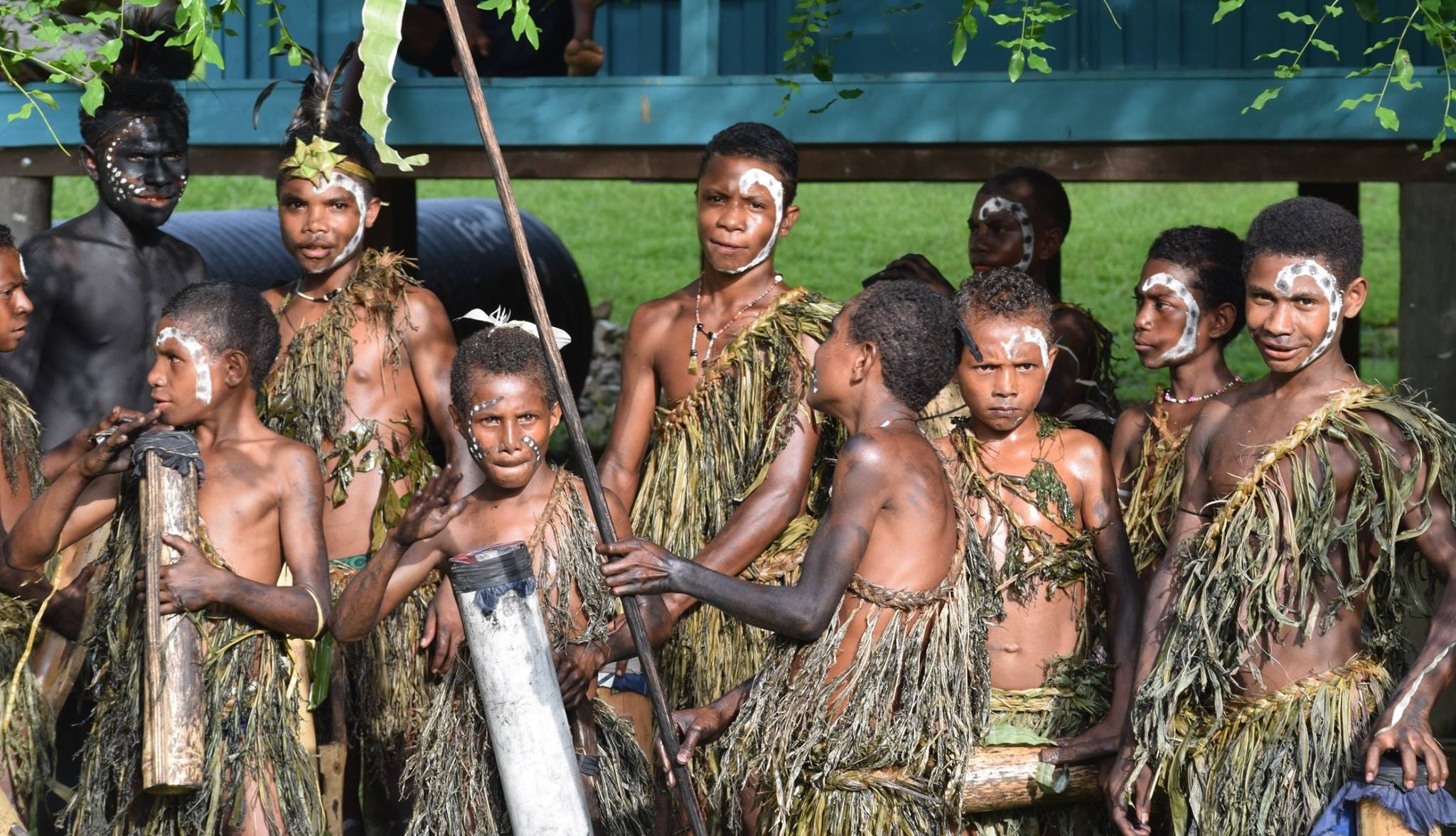
A classic anthropological example is the ritual surrounding boys in certain tribal cultures moving from boyhood to manhood. The boys are taken from their mothers and the community and isolated in a special place. They are put through a series of trials, and after completing these they are reintroduced to the community, often given new names. The liminality is the period they spend in that ritual setting — neither boys nor men, suspended between two social categories.
An example more familiar to Westerners is the traditional wedding. The couple goes through a series of rituals leading up to the ceremony, then leaves for a honeymoon, away from their regular circle of friends and family. When they return, they are recognized as having entered a new social category.
------------------------------------
So to bring this back to my life right now: I’ve been feeling somewhat disoriented lately. A year ago I was in my mid-seventies but for all intents relatively healthy. I had been a walker my entire life. One of the joys of being an international teacher for twenty years was getting up early in Bangkok or Singapore or Jakarta and wandering through the city — finding quirky architectural details, little shops selling odd products, hole-in-the-wall eateries. After I retired, I kept walking, through the kampungs and banjars of Singaraja, filming the city as it existed then: the architecture, the morning routines, people opening shops, sitting in warungs, taking children to school, schmoozing with neighbors. Documenting the city was a large part of my identity, my purpose in the late stages of life.
But then my body and brain began sending signals that old age had arrived. It’s something like having a beloved old car that one day just begins to fall apart — the door sticks, the brakes start to go, and you realize no single repair is going to fix what’s happening. I can no longer walk more than a few hundred meters without pain. Sometimes I simply fade out of consciousness for a few minutes and come back to find the document on my screen filled with dozens of lines of whatever letter my finger was resting on.
And so let’s circle back to my friend’s death. I felt sadness and wonder at the same time. Sadness that someone who knew all my quirks, my failures, my successes from younger days was gone. No more easy conversations we could pick up after years of silence. Wonder that he was just suddenly gone – life and death at work as always, mundane and profound. With his passing, the names of other friends I hadn’t heard from in years flooded in. I googled a few. An old girlfriend and colleague, dead ten years ago. My best friend from my Chicago years, dead at 59 sixteen years ago. That was enough of that.
------------------------------------
My own eventual death has never particularly bothered me — I wrote about that in an earlier Substack. But what I’ve been feeling lately is something different. I’ve been thinking about it for a while, and liminality is what I’ve come up with. It’s the transitional state between health and death. I’m not the healthy, active, physical person I was not so long ago, but I’m not dead either. I still write, make videos and podcasts, help my granddaughter with math, clean the house, cook, talk with my wife and children and grandchildren. But the physicality that defined so much of my life — twenty years of factory work pushing one-ton rolls of newsprint, playing softball on three teams during my Berkeley years, hiking through the mountains of New Guinea every weekend for seven years — that’s gone.
One of the things I love most about life is that it keeps showing you something new. Now that I’ve named this feeling, matched it to the disorientation and the dreams and the odd passing thoughts of the past month, I can get on to figuring out what I’m going to do with this new understanding.
“ I came, I saw, I marveled.”
We have been graciously granted enough longevity for us to write our own obituary.
We derived all the supreme benefits of human accomplishments in medicine, etc.
We were able to see species before we extincted them, and it seems we will be spared witnessing the full-blown Anthropocene Extinction. I, too, never thought I would outlive my knees. I thought other maladies might bring me down first. Got a Lucky Strike?
Thank you for putting these strange feelings into so thoughtful and fitting words.