
North Bali Considered
Singaraja, Buleleng, and the Forgotten Heart of the Island

Now that I’ve looked at Kampung Bugis’ history, I want to conclude this line of thought with a reflection on Buleleng and Singaraja in the modern era.
I never planned to spend my life in the north of Bali. It just happened, almost beyond my conscious will. I first came up north for a short vacation after five months in a mining community in the highlands of what was then Irian Jaya, now Papua. Somehow, North Bali cast a spell on me, and I quickly embedded myself in local life as much as I could.
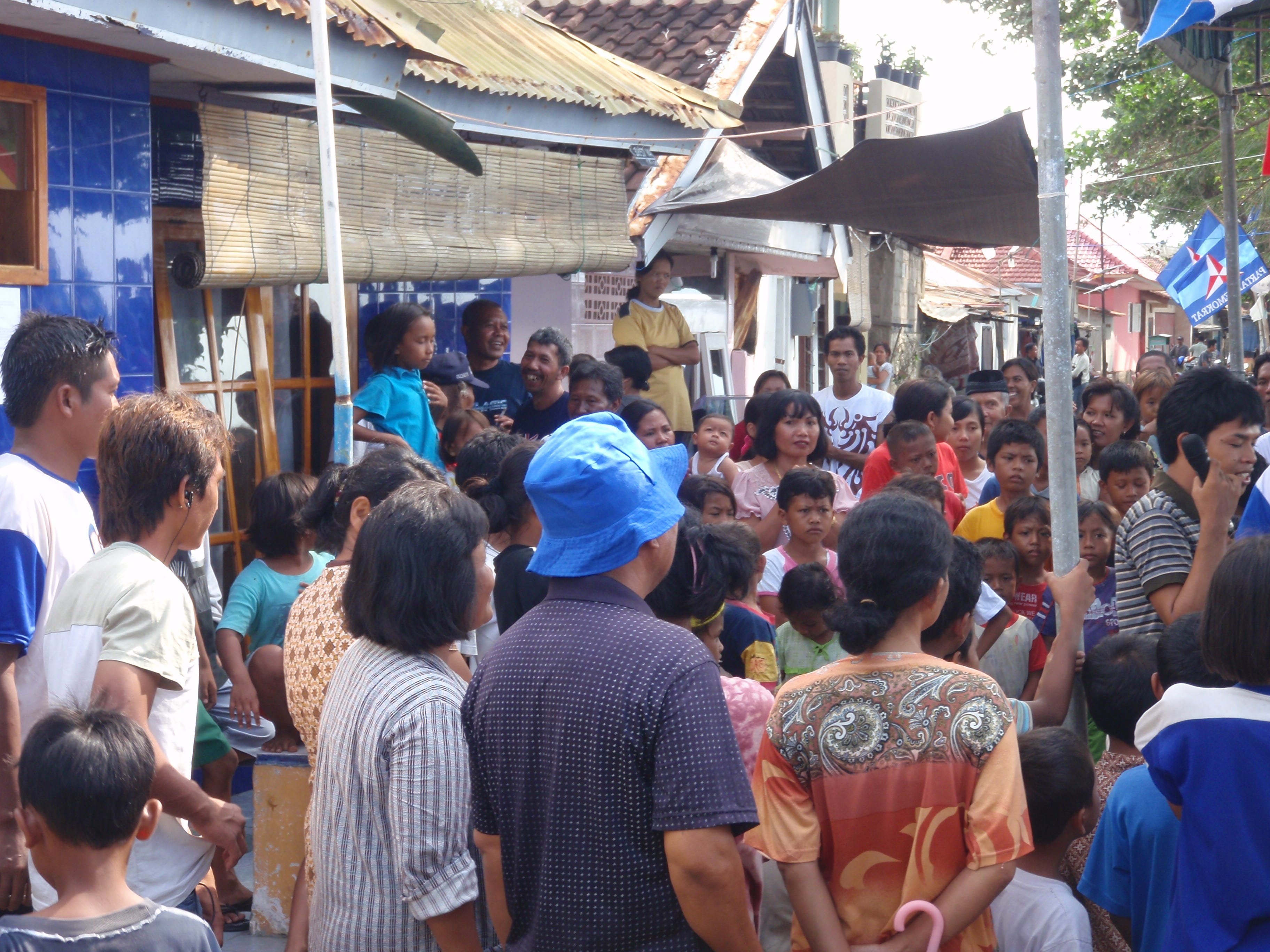
But why the north? Most foreigners in those days—and still today—settled in the south, in Sanur, Kuta, or Seminyak, or further inland in Ubud, which was then considered the cultural center of the island. These days, new arrivals tend to flock to Canggu, once a fishing village but now the hub of digital nomads and influencers.
And when it comes to books about Bali, whether fiction or academic, the overwhelming majority focus on the south. North Bali has remained comparatively underrepresented.
Before air travel, foreigners arrived in Bali by ship at Singaraja’s harbor or came overland from Java. For most, Singaraja was just a stopover on the way south. Early travelers were often disappointed. Hickman Powell, an American journalist who wrote The Last Paradise, expected an island of exotic bare-breasted beauties but instead found corrugated iron roofs, Chinese traders, Dutch officials in stiff collars, and clouds of mosquitoes. His conclusion was blunt: “Travellers were liars.”
Isabel Anderson, visiting around the same time, also found little to admire, calling Buleleng “a hybrid sort of town.” Miguel Covarrubias, in his classic Island of Bali, described dilapidated Chinese houses, dingy shops, and streets filled with “ugly and unkempt” people who did not resemble the “beauties” of tourist pamphlets.
Not everyone agreed. Theodora Benson offered a more generous view, describing Buleleng as “very pretty,” its mountains green, its palms fringed, and the town glowing in the early morning light.
Even today, impressions of Singaraja remain divided. Many YouTubers describe its center as rundown and less exciting than the tourist areas of the south. Yet such accounts often overlook what gives Singaraja its character: its cultural richness, slower rhythms, and everyday life beyond the tourist gaze.
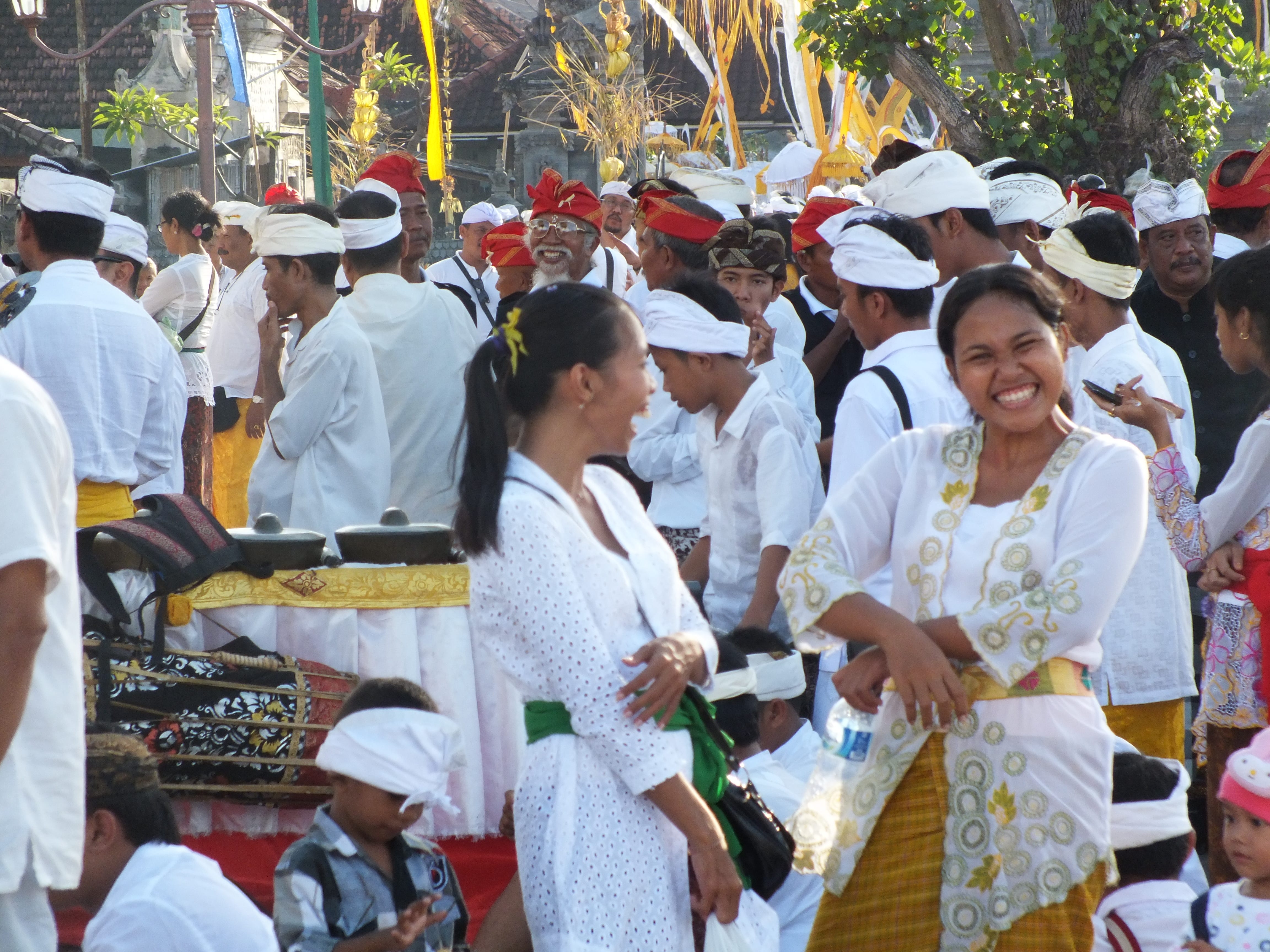
Anthropologists Fredrik Barth and Unni Wikan, who carried out fieldwork in the north in the 1980s, highlighted these contrasts. They noted that Singaraja’s role as a colonial harbor and administrative capital had made it more cosmopolitan than the south. But when the capital moved to Denpasar, influence shifted southward, while the north retained a stronger sense of traditional Balinese culture. In the 36 years I have lived here, much has changed, yet Buleleng still carries that timeless quality. It is part of what keeps me here.
An Historical Snapshot of Buleleng and Singaraja
After the Dutch conquest in 1849, Singaraja became the colonial capital of Bali and the Lesser Sunda Islands. From the mid-19th century until 1942, it was the hub of bureaucracy, trade, and education. During the Japanese occupation it remained the administrative capital. After independence, the balance shifted south. Denpasar became the capital in 1958, closer to the island’s cultural and political centers. With the opening of international air services in 1966, mass tourism cemented the south’s dominance.
Singaraja and Buleleng, meanwhile, acquired the reputation of being a backwater. Its beaches had black sand, its waters no surf, and its nightlife was limited. Tourism centered on Lovina, west of Singaraja, attracting mostly older Europeans. Singaraja itself became more of a day-trip destination than a tourist hub.
Today, Buleleng remains outside Bali’s wealthy core. Its per capita PDRB and HDI are moderate, but it has the highest number of poor residents on the island. Its economy relies heavily on agriculture and fisheries, unlike the south’s service and tourism base.
This economic inequality has been debated for over a decade. Post-Covid, the government has stressed the need to spread tourism more evenly, both to relieve congestion in the south and to balance development. A proposed North Bali International Airport has been discussed for decades, but remains mired in politics and speculation. For now, it is still more fantasy than reality.
Conclusion
Singaraja and Buleleng are not the Bali of glossy brochures, nor the Bali of disappointed travelers who passed through a century ago. They are locations in space where history, tradition, and modernity overlap in complex ways. While the south has been reshaped by tourism, the north has remained quieter, more traditional, and in some ways more deeply Balinese.
After more than three decades here, I’ve come to see that what first drew me in was not the scenery or the promises of paradise, but the everyday life of the community. It is the rhythm of ceremonies, the conversations in small warungs, the sense that time moves differently here. Buleleng may lack the glamour and wealth of the south, but it has given me something far more enduring: a home, a perspective, and a reminder that the heart of Bali is not found only in its most photographed corners, but also in the overlooked spaces where people simply live their lives.
Thank you, Bruce, this column you have done is very informative.
And I read the intro and beginning of chapter one of Hickmans work. Interesting about the sunscreen situation. I have to have it, the dermatologist has burned me a few times. I guess long sleeve shirts are not as cool as short sleeves, but offers more protection. Is that you, from the back, in the photo? And thank you for the heads up on the All Indonesia app. So i have to wait for 3 days before our flight to fill out, it says. Wish I could do it now. Will let you know after your next posting, then we leave for Denpasar on Sept 15, arrive 16. We spend a little time there, then go fly to Solo, and a train from Yogyakarta to Jakarta, then a flight back to Denpasar. Then Singapore. Yea, the kind man is kind to himself.